



As the investment environment becomes more challenging, LGPS investors are taking a closer look at the risks embedded in their private equity and credit portfolios. Manager selection, diversification and liquidity are coming under greater scrutiny.
After years of relatively benign conditions, LGPS investors are having to reassess how they manage risk across their private markets portfolios. Slower private equity distributions, tighter credit spreads and the prospect of rising defaults are placing greater demands on investment managers and the pools responsible for overseeing them.
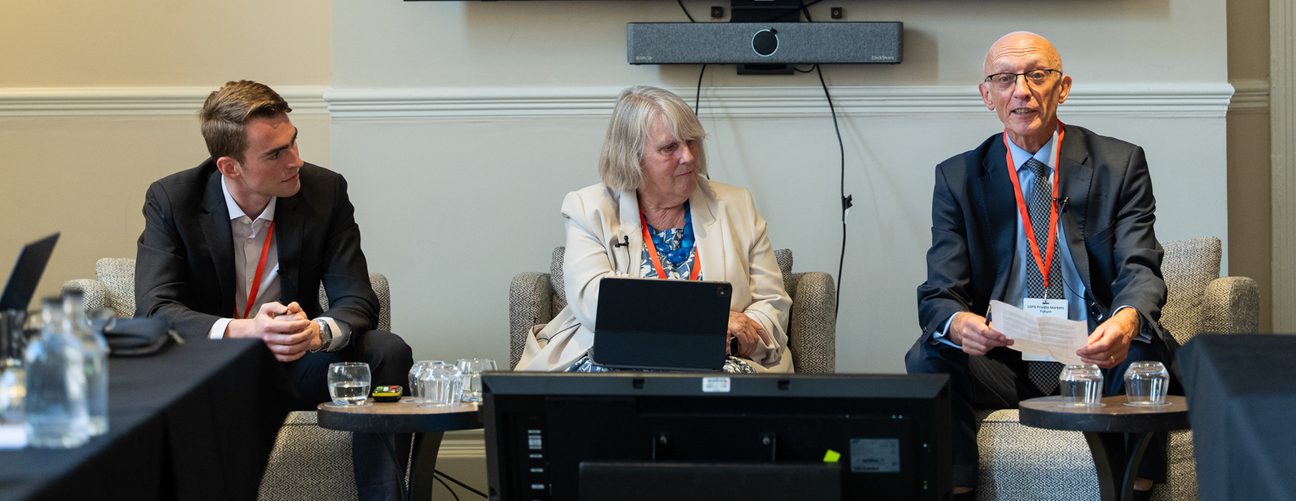
Waqar Rizvi, senior portfolio manager, private credit at LGPS Central, told the LGPS Private Markets Forum, hosted by Longview Networks’ Room 151, that the market was moving into a more challenging phase.

“We are certainly not in the very benign credit environment that we have been over the past few years,” he said.
With significant capital still chasing a limited number of deals, Rizvi argued that investors should focus increasingly on the ability of managers to protect capital rather than simply deliver higher yields.
“We are looking increasingly, and we should be looking increasingly, at which manager can prevent losses.”
James Kidd, head of XPS Xchange, described a similarly difficult environment for private equity investors, with delayed distributions and higher interest rates creating unexpected pressures.
He suggested that investors had previously underestimated the implications of funds taking longer to return capital, particularly when planning future commitments. For LGPS schemes, changes in liability valuations could also leave private equity representing a larger proportion of assets than originally intended.
Hidden exposures
The changing environment is prompting closer examination of diversification, particularly where different investments may share underlying risks.
Rizvi said LGPS Central was examining credit portfolios at the level of individual borrowers, sectors, sponsors, refinancing dates and geographical exposures.
He warned that headline diversification could conceal significant concentrations, particularly when private equity sponsors were responsible for supporting multiple portfolio companies during periods of financial stress.
William Bourne, director at Linchpin Advisory, identified a related concern involving overlapping exposures to private equity and private credit.
“If you’ve got a holding in private credit and a holding in private equity, you’ve probably got exposure to the same company both ways,” he said, adding that this was rarely examined adequately.
Rizvi explained that LGPS Central was developing a more systematic approach to monitoring existing investments, requiring managers to supply quarterly loan-level data.
Longview Networks’ Insurance Investment Forum | London | 20 January 2027
Although the information was imperfect, comparing successive reporting periods could help identify emerging problems and allow the pool to question managers before difficulties potentially became serious.
Jason O’Brien, head of asset-based origination, EMEA at PIMCO, suggested that the next phase of the credit cycle would reveal whether investors had been adequately compensated for the risks they had assumed.
“Have we been taking illiquidity and complexity, which I think we all signed up for, or are there additional risks buried in credit portfolios?” he said.
Manager discipline
The prospect of a more demanding credit environment is also changing how investors assess managers.

Amy Taylor, lead investment research specialist at Howden, said strong historical performance may only provide limited reassurance about how a manager would perform in more difficult conditions.
Investors needed to examine managers’ experience of restructurings and workouts, as well as whether they were expanding into unfamiliar geographies or riskier segments of the lending market.
“Are they sticking to what they’ve done before?” she asked, highlighting the danger of managers moving beyond their established expertise.
Institutional investment Conferences & Summits from Longview Networks
Rizvi said LGPS Central was increasingly interested in understanding managers’ investment decisions, including credit transactions they had rejected.
“We want to see sample documents of deals that they have walked away from and [understand] why,” he said.
O’Brien reinforced the point, arguing that understanding why different managers accepted or rejected the same transactions could expose important differences in underwriting standards.
He also questioned whether reported private credit valuations always reflected the prices investors could achieve if they needed to sell.
Liquidity pressures
Liquidity was another recurring concern, particularly for private equity investors facing longer holding periods and delayed distributions.
Bourne said he had been advising clients to reduce private equity allocations gradually, reflecting concerns about prospective returns and the amount of illiquidity within portfolios.
“I’ve been very, very gently downsizing [clients’] private equity allocations,” he said. “I’m not expecting private equity to do terribly well. And equally, I’m worried about illiquidity.”
However, he acknowledged that reducing allocations could take many years.
Kidd argued that the growth of secondary markets offered investors greater flexibility, describing them as an insurance policy against unwanted exposures.
He suggested that investors should assess potential sales according to the opportunity cost of retaining an investment, rather than rejecting transactions simply because they involved a discount to net asset value.
An investment offering little prospect of further returns might justify a substantial discount if the proceeds could be redeployed more productively.
Continuation vehicles presented a more complicated choice. Kidd argued that they could offer attractive opportunities where underlying investments retained growth potential, although investors often faced demanding due diligence requirements and tight decision-making deadlines.
Bourne emphasised the importance of managing conflicts between existing investors, new investors and general partners.
Taylor also questioned whether credit investors were always being offered a meaningful choice between accepting discounted liquidity and rolling into a new vehicle with different terms.
The discussions illustrated the increasingly demanding decisions facing LGPS investors. As the pools assume greater responsibility for private markets portfolios, understanding underlying exposures, testing manager discipline and maintaining flexibility will be central to navigating a less forgiving investment environment.