



Insurers may have been hesitant to embrace private markets, but the attributes of private credit and other asset classes are leading to larger allocations.
Historically most insurers have allocated only a relatively modest share of their investment portfolios to private markets, despite many pushes to do so, especially seen through regulatory reform designed to strongly nudge insurers towards such investments.
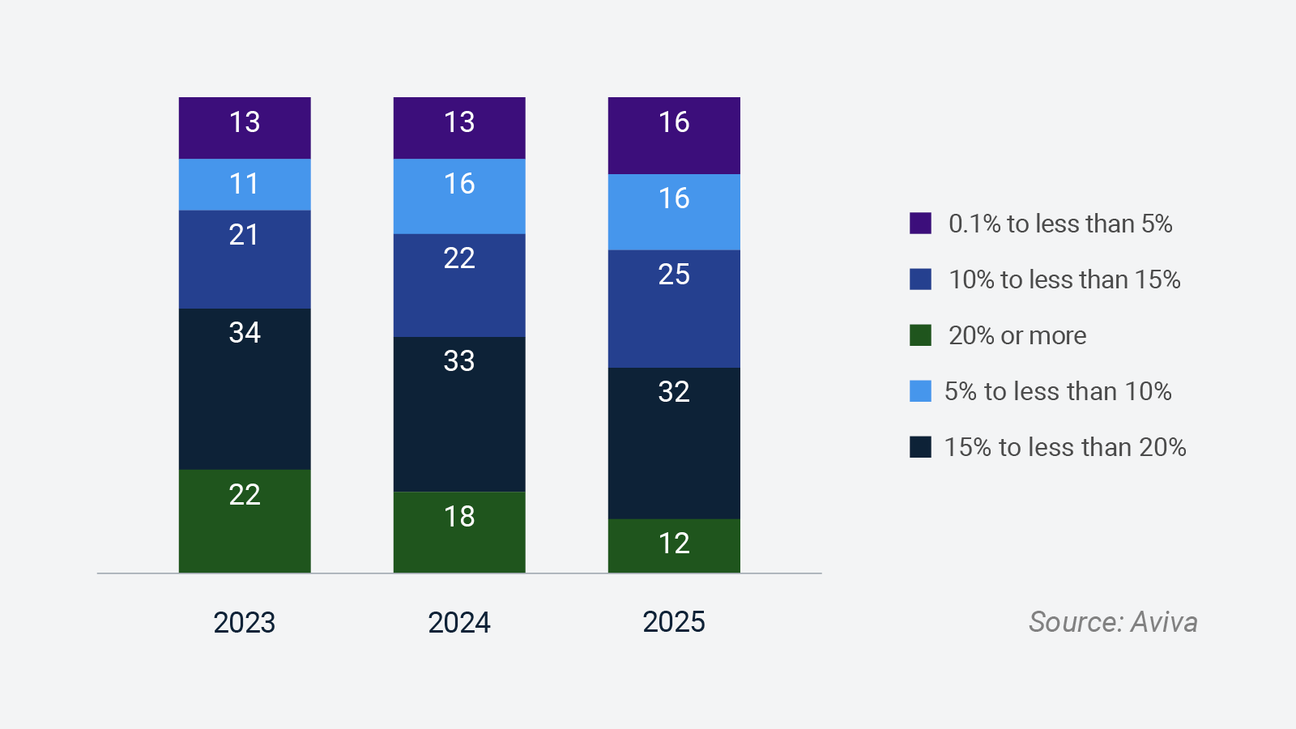
That picture looks set to change however, with insurers having a newfound love for the asset class. The evidence for this attraction is revealed in two important studies on the topic. The Aviva Investors Private Markets Study 2026 showed that 57% of insurers globally plan to increase their allocations to private markets – the highest level among all the institutional investor types surveyed. The study importantly notes this is part of a continuing trend (see Fig 1).

The main drivers for this this trend are long-term income potential and capital preservation. Meanwhile, more than two-thirds (68%) also mentioned sustainability as being an important factor, driven by regulation and climate-risk considerations.
Figure 1
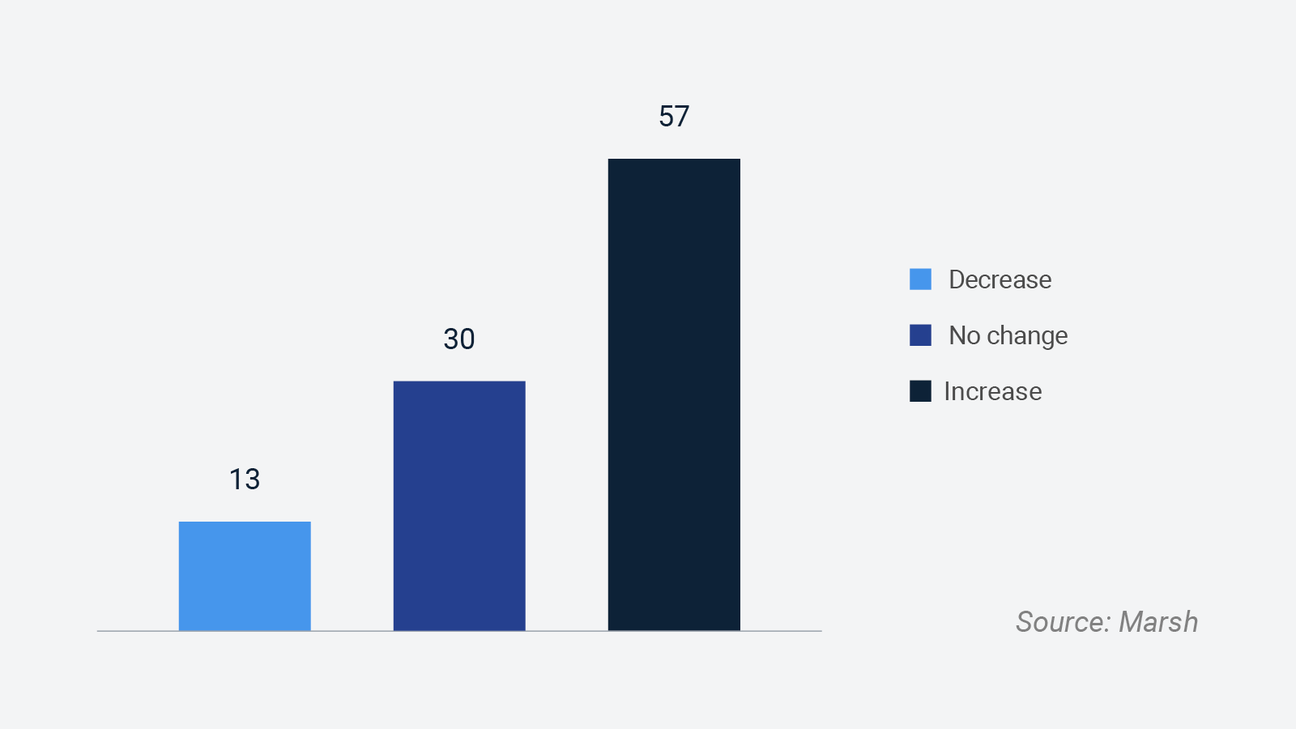
This theme is echoed in the Marsh 2026 Global Insurance Investments Survey. This reveals more than half (57%) of the insurers surveyed plan to increase their exposure to private credit in the next 12 to 24 months (see Fig 2). This makes it the leading area of planned investment growth, ahead of public investment-grade fixed income, which was cited by 48% of insurers.
Figure 2
This is in sharp contrast to the Mercer and Oliver Wyman 2024 Global Insurance Investments Survey, when only 37% and 32% of insurers planned to increase allocations to fixed income and private credit, respectively. A decent fillip by any measure.
Here insurers’ private credit appetite is more focused on the rapidly expanding, investment-grade segment of the market. Insurers are particularly interested in allocating to investment-grade direct lending and private placements (40%) and investment-grade structured credit, asset-based finance, net asset value lending, and fund finance (38%).
“Private credit is a compelling opportunity for insurers, especially in the asset-backed space. Insurers can diversify away from corporate risk while realising meaningful yield pickup over similar rated, investment-grade public market bonds,” says David Morrow, Mercer’s global insurance proposition leader.
Insurance Investment Roundtable | 14 October | London
Expanding on the insurer interest list of areas in more detail, Morrow says: “Investment-grade private credit dominates: direct lending, structured credit, and infrastructure debt.”
The shift towards investment grade is critical as it allows insurers to capture illiquidity premiums without compromising credit quality, making it compatible with their liability-matching objectives, he adds.
“Infrastructure debt particularly resonates because the long-dated, inflation-protected cash flows align naturally with insurance liabilities. Sub-investment-grade opportunities remain available, but insurers are being highly selective given concerns about tight spreads and underwriting deterioration.”
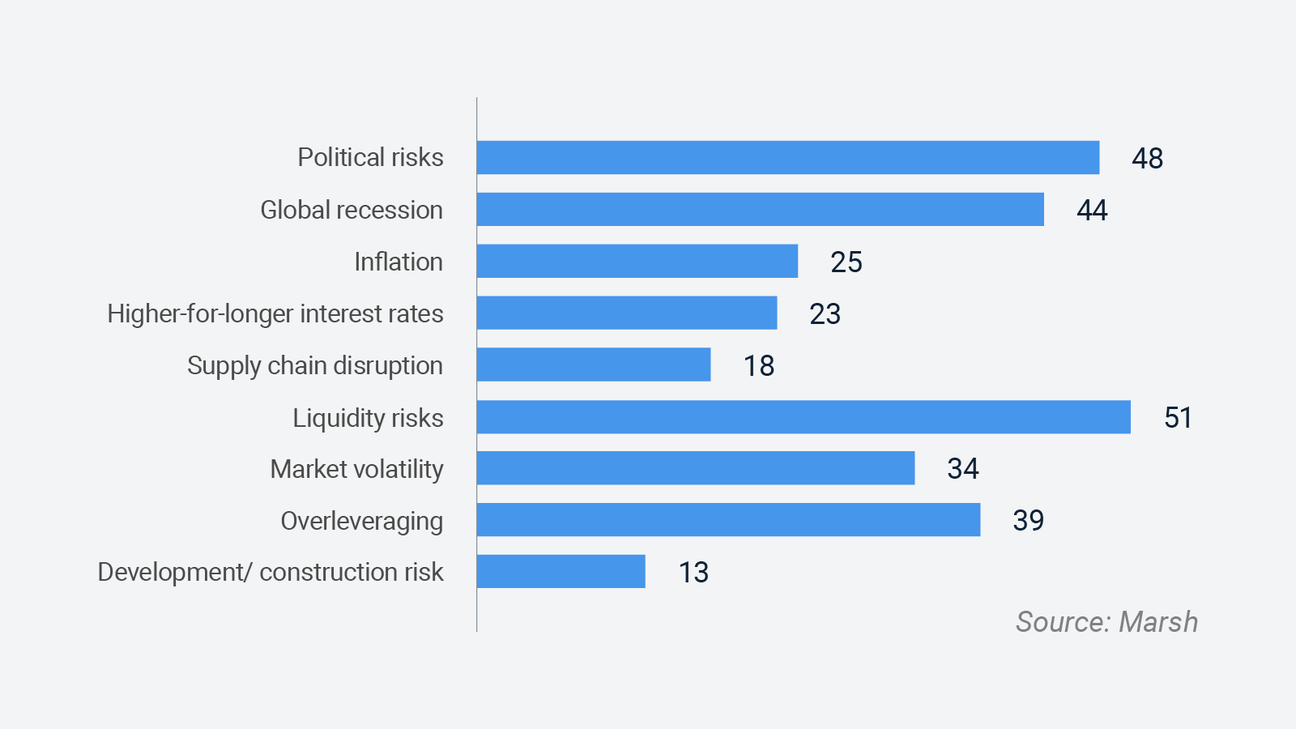
Insurers are concerned about several risks in private markets over the next 12 months, with liquidity, political and global recession the leading sources of apprehension (see Fig 3).
Figure 3
For Morrow, there are three reasons for private credit outpacing other asset classes. First, the asset class has matured. “The opportunity set is now dominated by investment-grade credit rather than sub-investment-grade, making it accessible to risk-conscious insurers,” he says.
Second, structural improvements have eased implementation. “Evergreen funds, co-investment access, and more efficient fee structures have reduced friction,” he says.
Third, the liability-matching case is urgent. “Private credit offers diversification, structural protections, and customisation that public fixed income cannot match. For longer-duration portfolios, it’s becoming essential rather than optional,” says Morrow.
There has, adds Roman Hederer, head of portfolio management, institutional retirement, at L&G, been continued to support interest in areas such as investment-grade private credit, where he notes: “Private credit assets can offer predictable cashflows and high-quality exposure, making them a good fit for retirement and annuity portfolios.”
In addition, he adds other factors to the mix. “The Solvency UK reforms have been helpful and have broadened the opportunity set. Although we see scope for the framework to continue evolving in ways that could support additional long-term investment while maintaining appropriate prudential safeguards.”
Private credit assets can offer predictable cashflows and highquality exposure, making them a good fit for retirement and annuity portfolios
Roman Hederer, L&G
Moreover, Marsh found that interest in private credit is more pronounced at the larger end of the market, with 81% of insurers with more than $25billion in assets planning to increase allocations compared with 46% of those with less than $25 billion.
The appetite for private credit remains particularly strong in North America. In the US, 65% of insurers surveyed plan to increase allocations, while Canada shows stronger demand, with 74% of respondents planning to increase allocations. Only approximately half of insurers based in Europe (51%) and the UK (46%) plan to increase allocations.
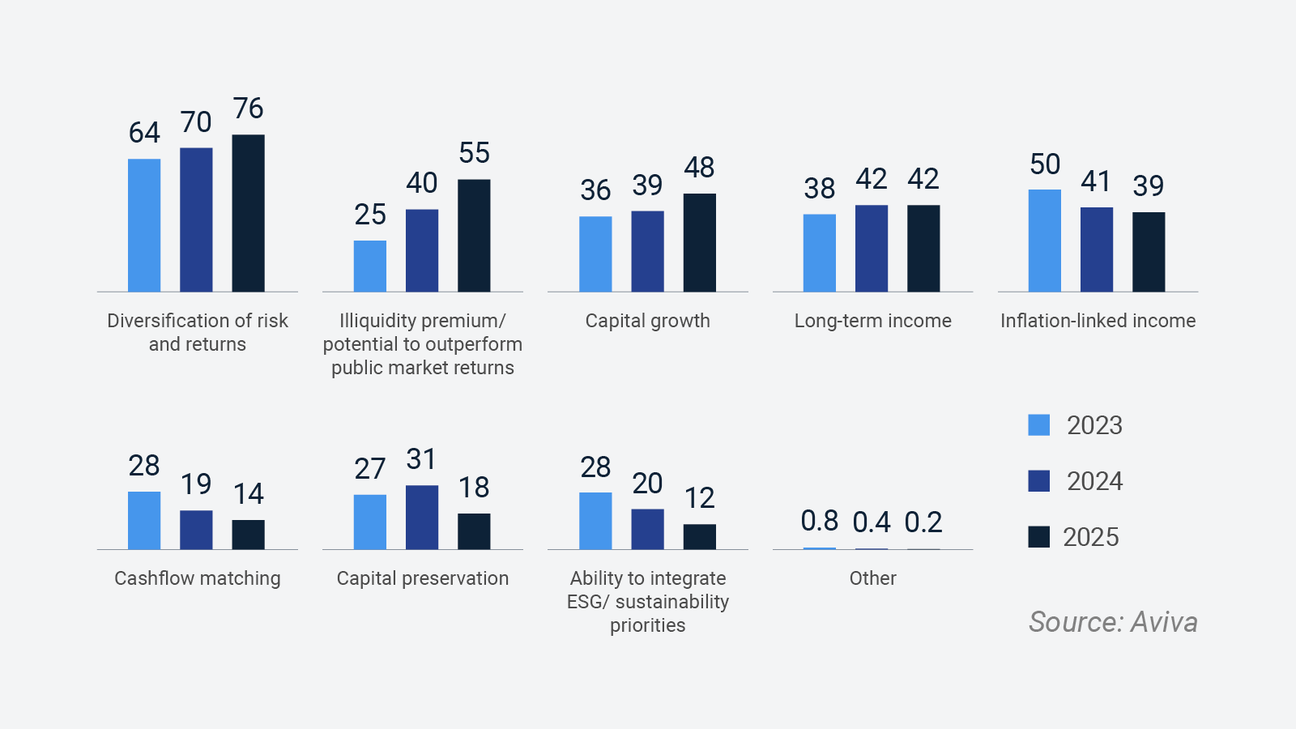
When it comes to this move towards private markets, Aviva notes that more than three-quarters (76%) of those surveyed state diversification of risk and returns as being a primary reason for allocating to private markets, alongside the presence of an illiquidity premium (55%), where investors are compensated with higher returns to reflect the increased illiquidity of an investment (see Fig 4).
Figure 4
“Investors in private markets are increasingly leveraging better data to calibrate models and make more informed decisions, and illiquidity premia forms part of this conversation,” says David Hedalen, head of private markets strategy and research at Aviva Investors.
Institutional investment Conferences & Summits from Longview Networks
Disciplined rebalancing
In the recent past there has been a debate whether insurers are genuinely underinvested, or whether a more cautious approach reflected the realities of liability matching, capital management and governance rather than outright regulatory barriers. “It’s not under investment,” says Morrow. “It’s disciplined rebalancing”.
“Insurers are deliberately prioritising capital efficiency and liability alignment over yield chasing. They’re focused on locking in income that supports their obligations in a volatile environment, not hoarding capital due to regulatory constraints.”
Investors in private markets are increasingly leveraging better data to calibrate models and make more informed decisions.
David Hedalen, Aviva Investors
This point is broadly supported by Hederer. “Private market allocations across the insurance sector are shaped by a range of factors, including liability matching, capital requirements, governance and the need to maintain appropriate discipline on behalf of policyholders. Insurers are focused on finding assets that work well for their portfolios, rather than targeting a particular allocation level,” he says.
Regulatory requirements also matter in the allocation debate, notes Morrow, but they have not proved to be the primary constraint. “What actually limits deployment is execution capability; the expertise needed for due diligence, manager selection, valuation, and ongoing monitoring,” he says.
“Many insurers are addressing this through balanced partnerships with external specialists while building internal governance rigor. That takes time and resources, but it’s a choice to invest properly, not an inability to deploy.”
That said, and despite Solvency UK easing capital constraints, the Aviva study says insurance companies operate under the tightest regulatory constraints, which strongly influence their approaches to private markets.
Other areas potentially holding insurers back, governance constraints loom large as private markets programmes scale, notes the study. Just under three in ten investors cite governance as a barrier, with insurers more likely than other investor groups to highlight this challenge. Regulatory complexity, approval processes and internal resourcing all play a role, particularly as portfolios become more diversified and sophisticated.
Private credit is a compelling opportunity for insurers, especially in the asset-backed space
David Morrow, Mercer
Another relevant point is whether insurers have significant untapped capacity to deploy into private markets. “Yes, but it depends on execution capability, not capital,” says Morrow addressing this issue. “The real constraint is building the internal expertise and governance frameworks to manage private market allocations responsibly.
“Larger insurers with existing capabilities are expanding aggressively, while smaller players are moving more cautiously. Those willing to invest in partnerships and governance infrastructure will access capital more readily than those trying to build everything in-house.”
When it comes to accessing private markets, the Aviva study highlights that insurers show strong interest in co-investment as a means of accessing private market investments, alongside segregated mandates, which offer the opportunity for tailored solutions that align with regulatory capital considerations.
“We think this is a significant finding,” notes Hedalen. “Not only does it suggest demand for better access to larger opportunities, but it could also highlight the desire to have greater control of portfolios at an asset-specific level and capturing opportunities that allow an increasingly tailored approach to risk and return metrics, liability profiles, as well as other non-financial outcomes, such as regional preferences.”
The overall picture adds up to a new era of romance between insurers and private markets. Although it is too early to plan for a wedding.