
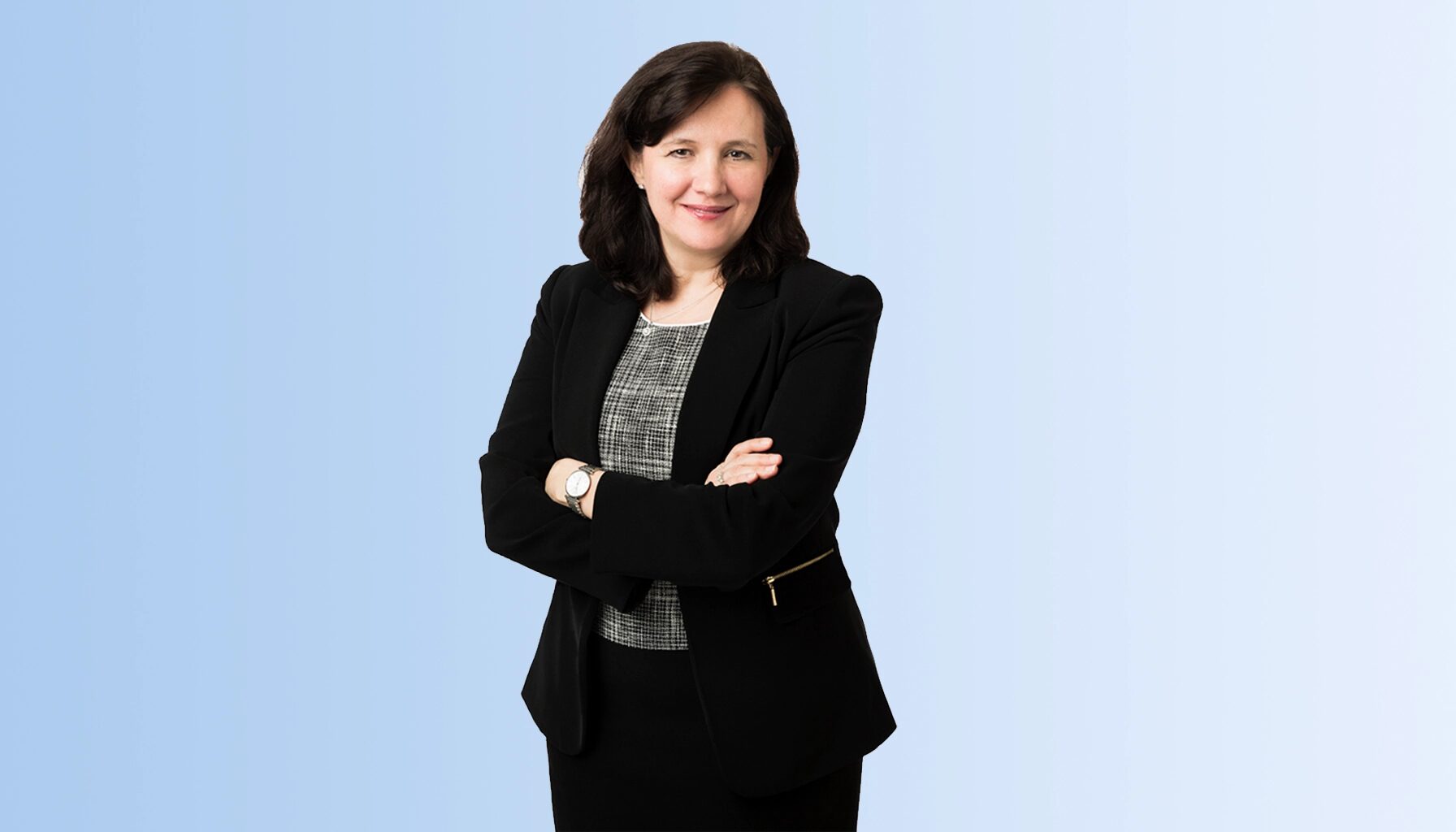
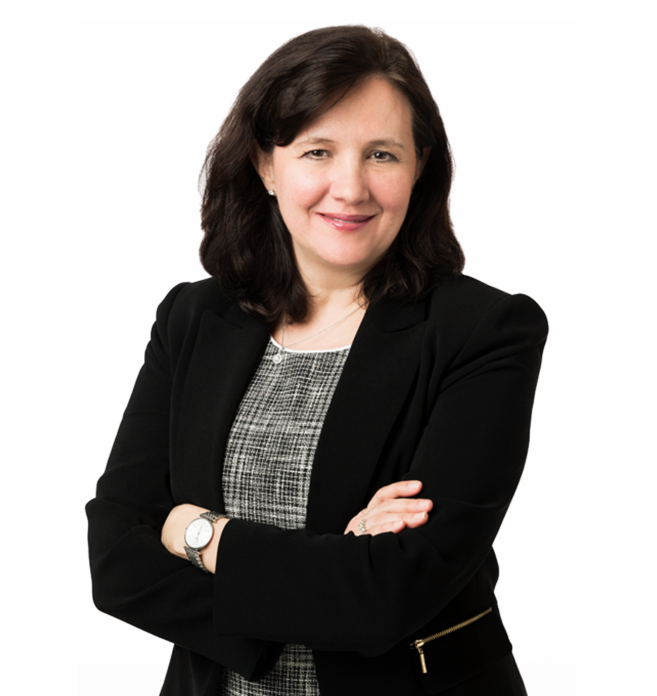
Room151 speaks to Alina Osorio, president at Fiera Infrastructure, about the firm’s approach to investing in infrastructure projects that are driving the new economy.
Can you tell us more about the composition of your infrastructure investment portfolio?
We invest in what we call “new economy, essential infrastructure,” long-life assets that are necessary for our economies to function. We do this through our open-ended fund, which invests globally in infrastructure.
We focus on mid-market assets that are on the lower end risk spectrum, assets that society needs to function every day.
Your portfolio focuses on what you call the “new economy”. Can you give examples of that?
Over the past seven years we have built our portfolio to be well-diversified across sub-sectors and geographies. We focus on three investment themes – energy transition, social and digital (connectivity). More than half of our portfolio is invested in climaterelated infrastructure that supports energy transition and the move towards a circular economy. About 30% is invested in digital infrastructure, and in particular fibre networks. The remainder focuses on social infrastructure and transportation.
In terms of geography, we invest across OECD countries, as they provide a stable legal and fiscal framework for investment. Around 45% of our portfolio is in the UK, the rest is in the US, Europe and Canada.
Can you elaborate to what extent your portfolio is on the lower end of the risk spectrum?
Infrastructure can mean different things to different people, with some preferring to participate up or down the risk spectrum. Consistent with our long-term approach, more than 90% of our investments are contracted. We always think about the revenue line as driving the risk. Having a high proportion of contracted revenues ensures the visibility and stability of the cash flows and, ultimately, portfolio returns.
In the LGPS space, are you mainly working with pools or funds?
We work with both pools and funds. We are seeing allocations to infrastructure from individual funds, particularly when a pool does not offer what the fund is looking for. Our focus on new economy infrastructure – energy transition, social and digital infrastructure, with no fossil fuels in our portfolio helps funds and pools meet their net zero targets.
Where would an infrastructure allocation sit in the typical LGPS portfolio, would it be part of growth or matching assets?
We understand the investment consultant community tends to classify infrastructure as an income asset given one of the main benefits of infrastructure is income, and we would agree with that classification. LGPS schemes have large monthly commitments to pay pensioners, and as such are looking for income-generative assets. Another attraction of infrastructure is that it has strong inflation linkage. A high proportion of infrastructure assets are contracted to increase with inflation, which is particularly beneficial in today’s inflationary environment. Members’ benefits are linked to CPI, so infrastructure has a natural alignment to the LGPS. LGPS also tend to like the long-term nature of infrastructure, which is well aligned to their own long-term liabilities. And lastly, infrastructure typically has low correlation to traditional asset classes.
How does Fiera Infrastructure’s investment strategy inform your approach to ESG?
We have a strong ESG approach. As investors, we are looking to strike a balance between our fiduciary obligation as stewards of capital and moving ESG forward in our investment activity. In practical terms, this means that we integrate ESG into our deals, from origination to due diligence, into asset management and into our team’s compensation.
When we look at originating transactions, the original screening that we do for prospective deals, the due diligence that follows and the transaction and execution documents all identify ESG factors and map out ESG considerations for the prospective investment.
Once deals happen, we go into asset management mode and work closely with the management team to implement our ESG programme. This includes ensuring the necessary reporting requirements are in place, monitoring ongoing compliance with our ESG standards, and looking for opportunities to advance the ESG agenda at the investment. This is not about box ticking, this is about taking stock and driving improvements.
We are evaluated every year through GRESB assessments and our fund most recently received a score of 90 and a 4-star rating. We are a signatory of the PRI and the Net Zero Asset Managers Initiative through Fiera Capital, and we are proactively working toward our goal of reaching net zero GHG emissions by 2050 by committing to an interim target of 50% reduction by 2030. And our fund is classified as an Article 8 vehicle under the EU’s SFDR.
How does your approach to governance differ from that in listed markets?
The difference between public market investing and privates is that we have a controlling equity stake. With that comes benefits of governance, which allows us to actively manage our investments. We’re very hands on with our assets. We sit on boards and set budgets, business plans and compensation.
For us, asset management is constant. We talk to our management teams at least weekly to be able to monitor the business from an operational, financial and ESG perspective. It is very laborious, but that is the only way to get results and enhance value.
Finally, where do you see the major opportunities in infrastructure investing?
Very often, infrastructure is dominated by large-cap strategies and large GPs. We think that the mid market is an interesting space to be in, with an abundance of opportunities. Many are relationship-based and are coming from within the portfolio, and we’ll continue to focus on our three main themes of energy transition, digital and social infrastructure.
Energy transition is an enormous opportunity. Wind and hydro are obviously part of that, but we also have investments in smaller-scale residential rooftop solar, providing solar-generated electricity to social housing, and community solar, bringing the benefits of solar-generated electricity to low- to moderate-income customers. In digital, we are seeing a great need to continue to support fibre connectivity by expanding and deepening networks. And in social infrastructure, the tremendous opportunity driven by the need to support continued population growth is something we have been addressing through our investments in UK and Canadian social housing.
