


There is no one blueprint for investing in private markets. We asked three investment leaders from across the charities, endowments and foundations sector the same four questions, revealing where their thinking converges – and where it differs.
Q1: How is your organisation currently invested in private markets, and what role do those investments play within the overall portfolio?
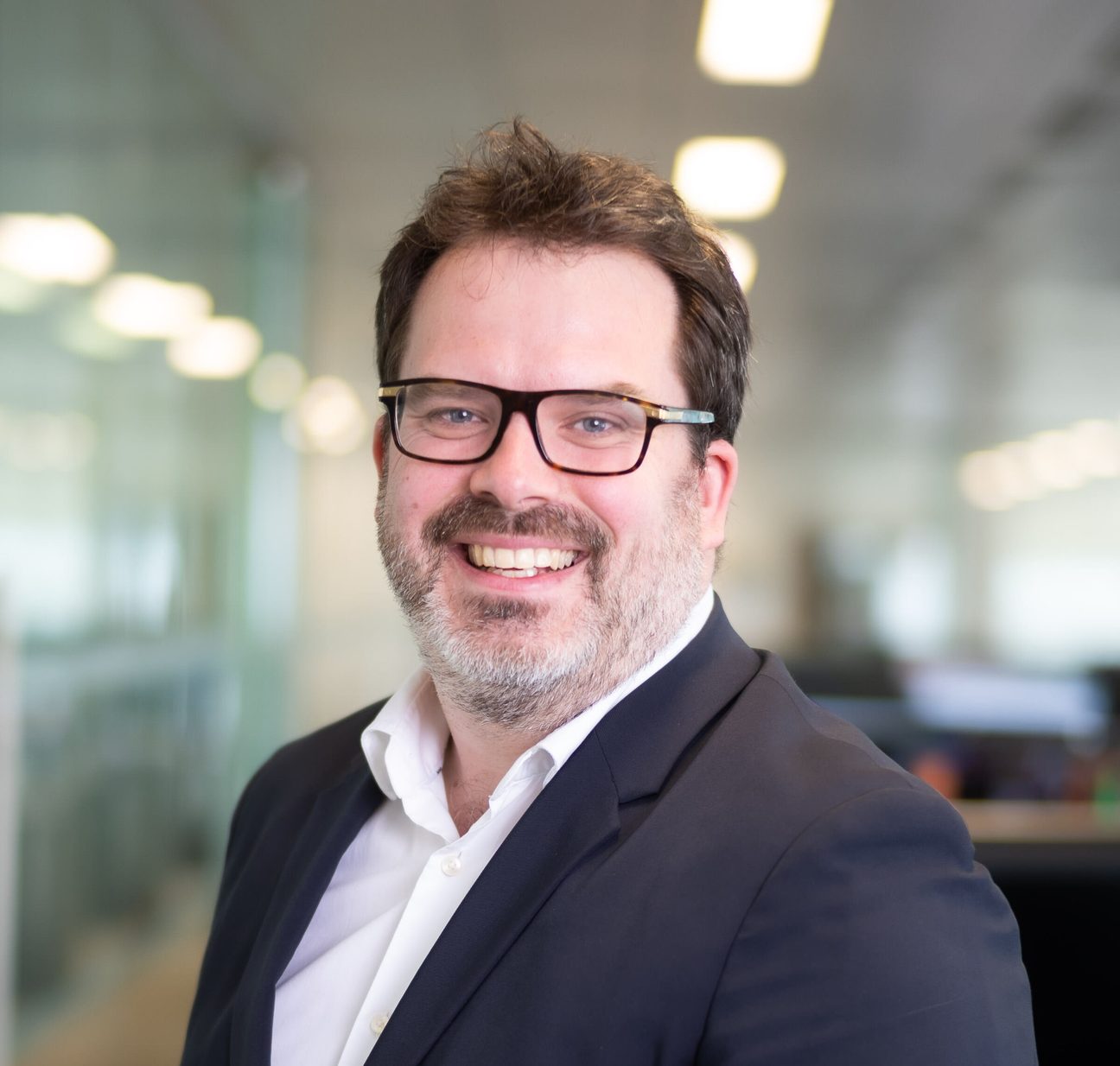
Matthew Roberts, partner and head of alternative solutions, Fulcrum Asset Management
Roberts: Fulcrum works with a range of long-term institutional investors, including charities and endowments, to build private markets portfolios that support their overall investment objectives. Private markets are rarely viewed in isolation; they sit alongside public assets as part of a diversified strategy designed to deliver long-term returns while managing risk and liquidity. The exact allocation varies from client to client, but the common objective is to build resilient portfolios that can support spending commitments over many years. That means thinking carefully about governance, portfolio construction and implementation rather than simply increasing exposure to private markets.

Jenny Segal, Trust chief investment officer, Nesta
Segal: Apart from some legacy holdings in secondaries, we do not currently have an allocation to private equities, because of concerns about complexity, liquidity and fees. We do invest in private debt, property and infrastructure – we are attracted by the income generation aspects and the ability to deliver real-world impact through the investments themselves, improvements in EPCs and ESG-linked ratchets. Anthony: Around 20% of our portfolio is invested in private markets. As a founding investor in the Snowball Fund, we have backed a diversified, impact-focused portfolio since its inception, alongside a programme of direct social investments spanning loans, funds, community shares and equity. Together, these investments help us pursue our mission of supporting a fair and sustainable economy while recognising that private markets can often deliver greater additionality and impact than public markets.

James Anthony, social investment portfolio manager Friends Provident Foundation
Anthony: Around 20% of our portfolio is invested in private markets. As a founding investor in the Snowball Fund, we have backed a diversified, impact-focused portfolio since its inception, alongside a programme of direct social investments spanning loans, funds, community shares and equity. Together, these investments help us pursue our mission of supporting a fair and sustainable economy while recognising that private markets can often deliver greater additionality and impact than public markets.

Q2: How should charities balance the pursuit of strong long-term investment returns with ensuring their portfolios reflect their mission and values?
Roberts: The two objectives shouldn’t be viewed as mutually exclusive. A well-governed investment portfolio can both generate attractive long-term returns and reflect an organisation’s mission and values.
The key is having a clear understanding of what the institution is trying to achieve and building an investment strategy that supports those objectives. Different organisations will arrive at different solutions, but the important point is that financial returns and mission don’t need to be thought of as competing priorities.
Segal: There is no one-size-fits-all answer to this question. Nesta Trust’s philosophy is that it exists to fund the activities of Nesta the charity. That requires us to adopt an investment approach that can reliably deliver the annual income that Nesta requires in a sustainable way, and this is the principle that drives our strategic asset allocation. Within that, we seek asset managers who can deliver impact without compromising our risk/return requirements and, if possible, we will prefer impact investments that align with our missions.
Anthony: We believe foundations should use all of their capital to further their mission, not just the small proportion distributed through grants each year. Investments that maximise returns can still undermine an organisation’s purpose, so we think about impact across the entire portfolio. Where appropriate, we are prepared to accept concessionary returns because we believe the additional social impact justifies that trade-off. The objective is to ensure every part of the portfolio contributes positively to our mission.
Longview Networks’ Charities, Endowments & Foundations Investment Forum | 10 September 2026 | London
Q3: What have been the biggest challenges in building and managing a successful private markets portfolio?
Roberts: Implementing a private markets portfolio is inherently more complex than listed equities and bonds. Investors need confidence in performance data, robust manager selection, appropriate governance and portfolio structures that reflect their liquidity requirements and long-term objectives. Those challenges don’t disappear as portfolios grow. Successful implementation requires continual refinement rather than a one-off decision. Markets evolve, organisations evolve and investment programmes need to evolve alongside them. I think it’s worthwhile investing time in governance, due diligence and long-term partnerships.
Segal: We have a small in-house team, so we cannot manage the governance and complexity of multiple LP relationships. We rely heavily on our investment consultants for advice.
Anthony: Managing liquidity, benchmarking performance and navigating the J-curve all add complexity to private markets investing. But for a mission-led foundation, the bigger challenge is identifying investments that genuinely advance our objectives. There are plenty of impact opportunities, particularly in venture capital, but far fewer that contribute to the broader economic systems change we’re trying to achieve. Finding investments that align with that ambition remains one of the biggest challenges.
Institutional investment Conferences & Summits from Longview Networks
Q4: What is the most important lesson other long-term institutional investors can learn from the way charities and foundations invest?
Roberts: One of the greatest strengths of charities and foundations can be their ability to think over genuinely long time horizons. That encourages disciplined decision-making and helps investors avoid being distracted by short-term market noise. Just as importantly, successful organisations recognise that private markets investing is a continual process of learning and adapting. Strong governance, trusted partnerships and a willingness to refine their approach over time are often more important than simply increasing allocations. Those are lessons that can benefit any long-term institutional investor.
Segal: The approach to setting any investment policy comes down to risk appetite, typically driven by the interaction of the assets with the liabilities they need to meet. For charities and foundations that can flex their annual spend, there is greater scope to take a longer term, smoothed approach to asset allocation, which often results in an ‘inflation plus X%’ target, where on average x% can be distributed each year. However, if there is less flex because, for example, a large amount of the annual spend goes on fixed commitments (salaries, for example), then the investment approach is much more akin to that taken by institutional investors.
Anthony: Long-term investors should take advantage of the fact they do not need immediate liquidity. That creates opportunities to back investments with longer time horizons that can deliver both financial returns and wider impact. For mission-led organisations, investment strategy should reflect purpose as well as performance. Long-term investors have the opportunity to use patient capital not only to generate returns, but also to shape the outcomes they want to see in the wider economy.