



Aviva Investors’ Ant Barker sets out the case for venture capital in UK institutional portfolios.
As the UK government seeks to boost economic prosperity through innovation-led growth, institutional investors – particularly pension funds – will play an increasingly important role.
So too will venture capital (VC). Once considered a niche asset class, it is now being recognised as a strategic lever for long-term value creation, economic resilience and alignment with sustainability ambitions.
Yet despite its potential, VC remains underrepresented in most large pension portfolios. Structural barriers, regulatory constraints and legacy investment models have limited access to the very sectors that are shaping the future of the UK economy.
Why venture capital matters
VC offers exposure to high-growth, innovation-driven sectors that are central to the UK’s competitiveness. Four areas stand out:
- Fintech: Transforming financial services infrastructure through embedded finance, regulatory technology (regtech) and AI-powered underwriting. These innovations are not only scalable but also enhance financial inclusion and efficiency.
- Climate tech: Central to the net-zero transition, climate tech encompasses renewable energy, carbon markets and nature restoration. The rise of nature-tech, where biodiversity becomes investable, is opening new frontiers for ESG-aligned capital.
- Health tech: Addressing systemic healthcare challenges, especially in diagnostics, digital therapeutics and AI-driven clinical tools. As populations age and healthcare systems strain, scalable health tech solutions are becoming essential.
- Deep tech: Encompassing quantum computing, advanced materials and robotics, deep tech offers asymmetric upside and long-duration growth. University spinouts and IP-rich ventures are particularly promising in this space.
These sectors are not only commercially compelling, they are also strategically vital for the UK’s innovation economy.
Challenges for pension funds
Despite growing interest, pension funds face several hurdles for investing in VC:
- Liquidity mismatch: Traditional VC funds are closed-ended and illiquid, misaligned with the liquidity needs of defined contribution schemes and long-term liabilities.
- Governance and transparency: VC often lacks the reporting standards and ESG metrics required by institutional investors. This makes risk assessment and fiduciary oversight more complex.
- Scale and access: Many VC opportunities are small and fragmented. Pension funds require scalable vehicles and curated access to high-quality deal flow, which is often concentrated in specialist networks.
- Late-stage funding gap: The UK venture ecosystem suffers from a lack of scale-up capital. Promising startups frequently face acquisition or relocation abroad due to insufficient domestic funding at critical growth stages.
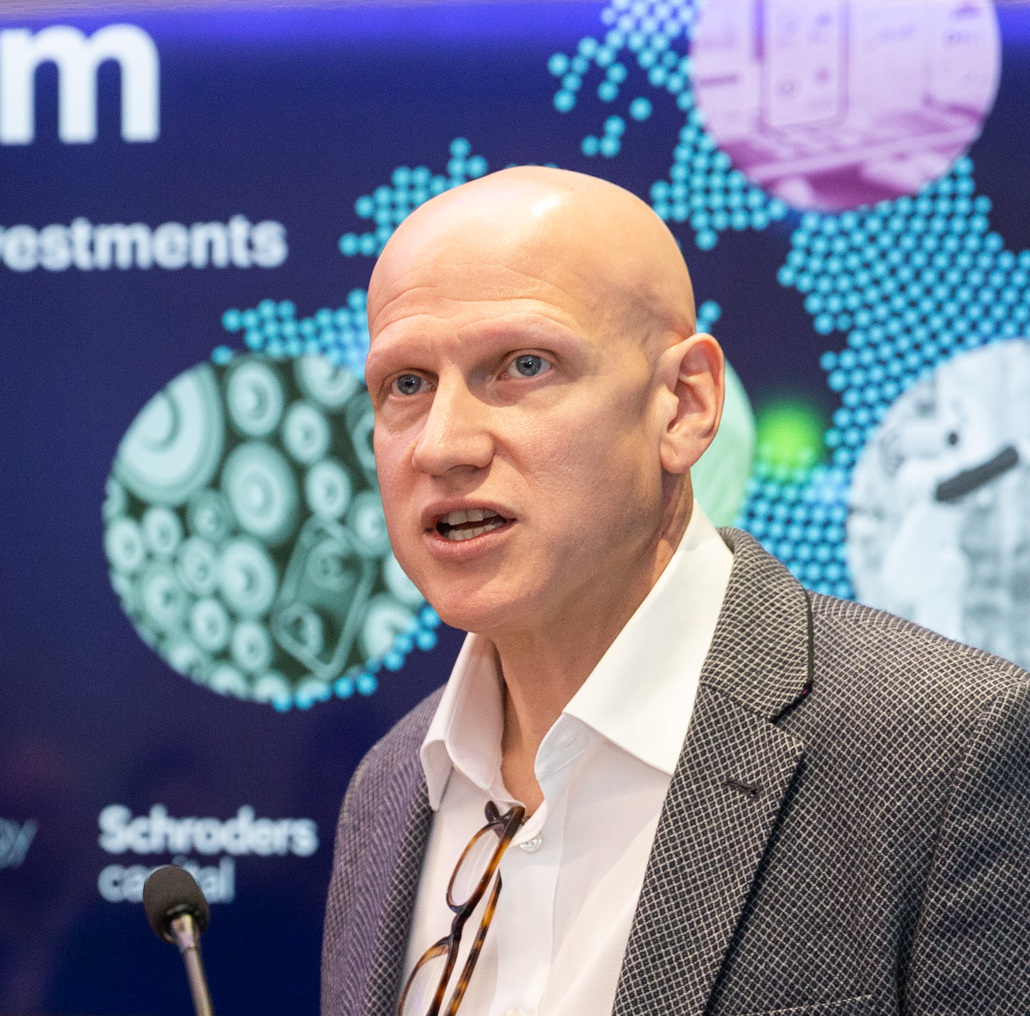
For pension funds and other institutional allocators, VC represents a strategic opportunity to invest in the future of the UK.
Ant Barker, Aviva Investors
Policy momentum and the Mansion House Accord
The UK government’s Mansion House Accord has accelerated the shift in institutional thinking. By encouraging pension providers to allocate a portion of their assets to UK private markets, the accord aims to unlock up to £50 billion in capital for domestic innovation and infrastructure.
This policy momentum is creating a more supportive environment for venture investing, but structural reform is still needed. Regulatory clarity, flexible fund structures and better alignment between managers and allocators will be key to unlocking scale.
The evolving role of institutions
Institutional investors are increasingly moving from passive LPs to strategic partners in VC. This includes:
- Co-investment models that allow for direct exposure and greater control.
- Thematic funds focused on climate, health or regional innovation.
- Data-driven decision-making, with real-time insights and predictive analytics shaping portfolio construction.
This evolution is fostering a more transparent, accountable and mission-aligned VC ecosystem that is better suited to the needs of long-term savers.
Looking ahead
For pension funds and other institutional allocators, VC represents a strategic opportunity to invest in the future of the UK. By backing innovation in fintech, climate tech, health tech, and deep tech, institutions can deliver long-term returns while supporting national competitiveness and sustainability.
The challenge now is to build the structures, partnerships and policy frameworks that make VC truly investable at scale. There is a clear opportunity and now it’s time to act.
- Ant Barker is the director of venture capital at Aviva Investors