


Healthcare and life sciences are attracting institutional capital – but governance and fiduciary challenges remain barriers for both LGPS and DC funds
Institutional investors are showing interest in healthcare and life sciences, but concerns around governance, scale and fiduciary duty continue to temper appetite, according to speakers at the Institutional Venture and Growth Forum (IVGF) last week.
Tricia Ward, director of manager research at consultancy Redington, said most clients still treat health within their impact allocation, rather than as a mainstream venture capital opportunity. But implementation varies by investor type.
“LGPS schemes are typically looking to allocate £100 million-plus into each sub-asset class, which drives them to larger managers,” she explained. “There’s less appetite from them to go into early-stage health and life sciences venture capital – it doesn’t work from a risk-return perspective, and it doesn’t work from a governance perspective either.”
Defined contribution schemes are even further behind, Ward added, with most still working out the basic structure of their private markets allocations. The real interest in catalytic health capital is currently coming from endowments, foundations and some DB schemes with specific social missions.
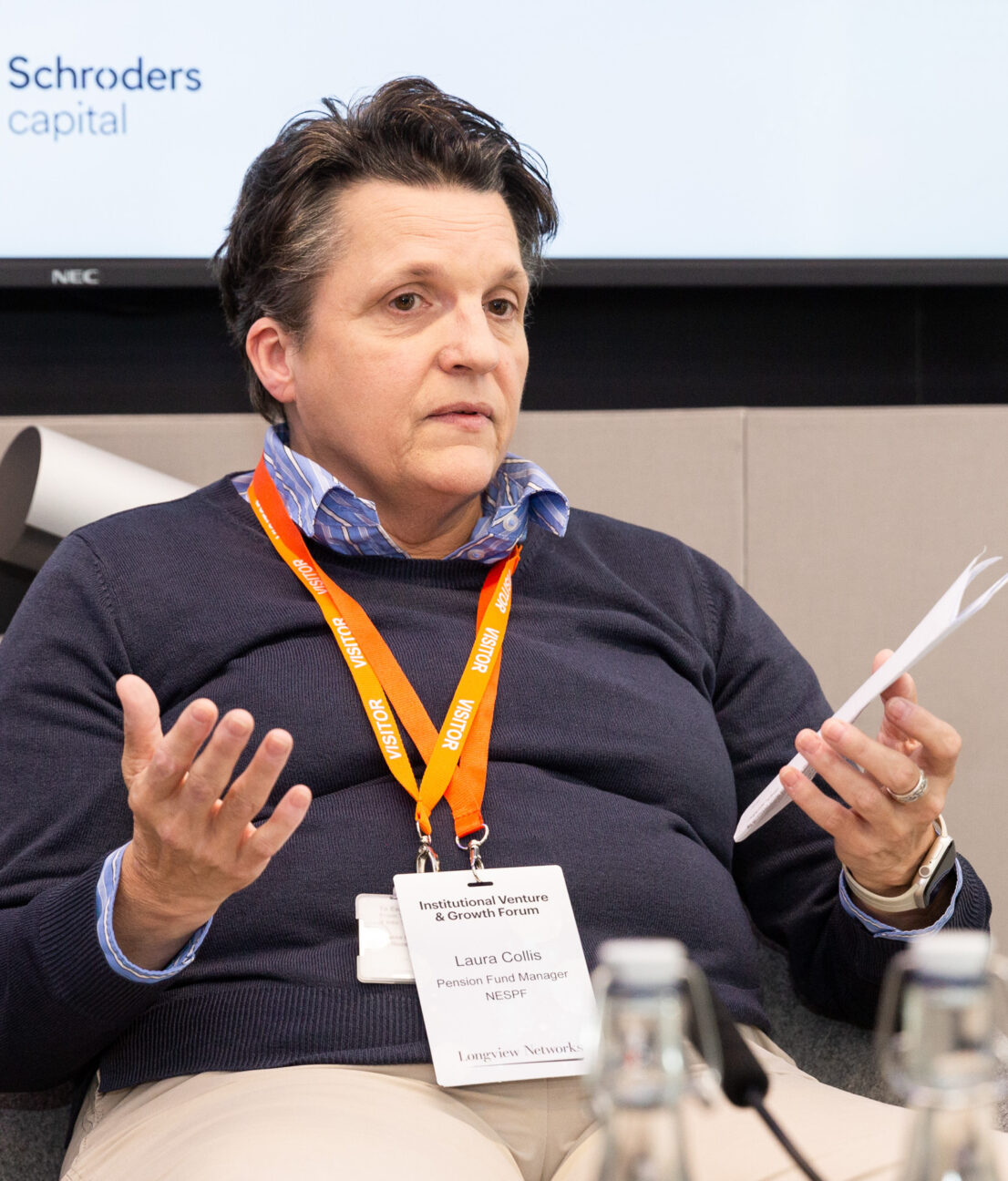
We need to balance fiduciary duty with the need to support businesses and opportunities in Scotland and the UK.
Laura Collis, NESPF
Ward stressed that impact measurement remains a challenge in healthcare. “In climate, everyone has coalesced around carbon emissions as the key metric. In health, it’s far less standardised. Some talk about disability-adjusted life years, others about quality-adjusted life years. What we want to see is managers measuring impact against the specific objectives of their investments.”
On risk-return dynamics, she said healthcare venture has been relatively resilient compared to other sectors, with lower failure rates than consumer or industrial investments. But outcomes vary depending on the subsector. Biopharma and med-tech involve lengthy ‘make or break’ binary approval processes, while digital and AI health businesses typically show steadier growth.
For Laura Colliss, pension fund manager at North East Scotland Pension Fund, the key challenge is how large LGPS schemes can engage with small VC early-stage opportunities due to the strain on governance resources.
“In the past we’ve done venture through a large US private equity allocation, but very little in the UK,” she said. “We don’t have infinite resources. Historically, we’ve avoided having 30 or 40 small allocations to managers. But I think we need to reimagine how we deliver on the expectations from Westminster and Holyrood.”
Colliss said the fiduciary duty argument – often used as a reason not to invest in venture – has been overplayed. “We’ve used fiduciary duty as an excuse not to do things. But times have moved on. We need to balance that duty with the need to support businesses and opportunities in Scotland and the UK.”
She pointed to Aberdeen’s new BioHub as a promising regional platform. “It’s a purpose-built facility where companies can rent a desk or lab and start their journey. I’ve met businesses there that are well run and cost conscious, and are now looking for funding. Regional hubs like this are probably vital – not just in Aberdeen – for creating opportunities and educating stakeholders about the potential.”
Both speakers emphasised that education remains critical. Colliss noted: “I’ve got to take my stakeholders with me on this journey. Education is key for my committee, my team and employers, so they understand the balance between return, risk and fiduciary responsibility.”
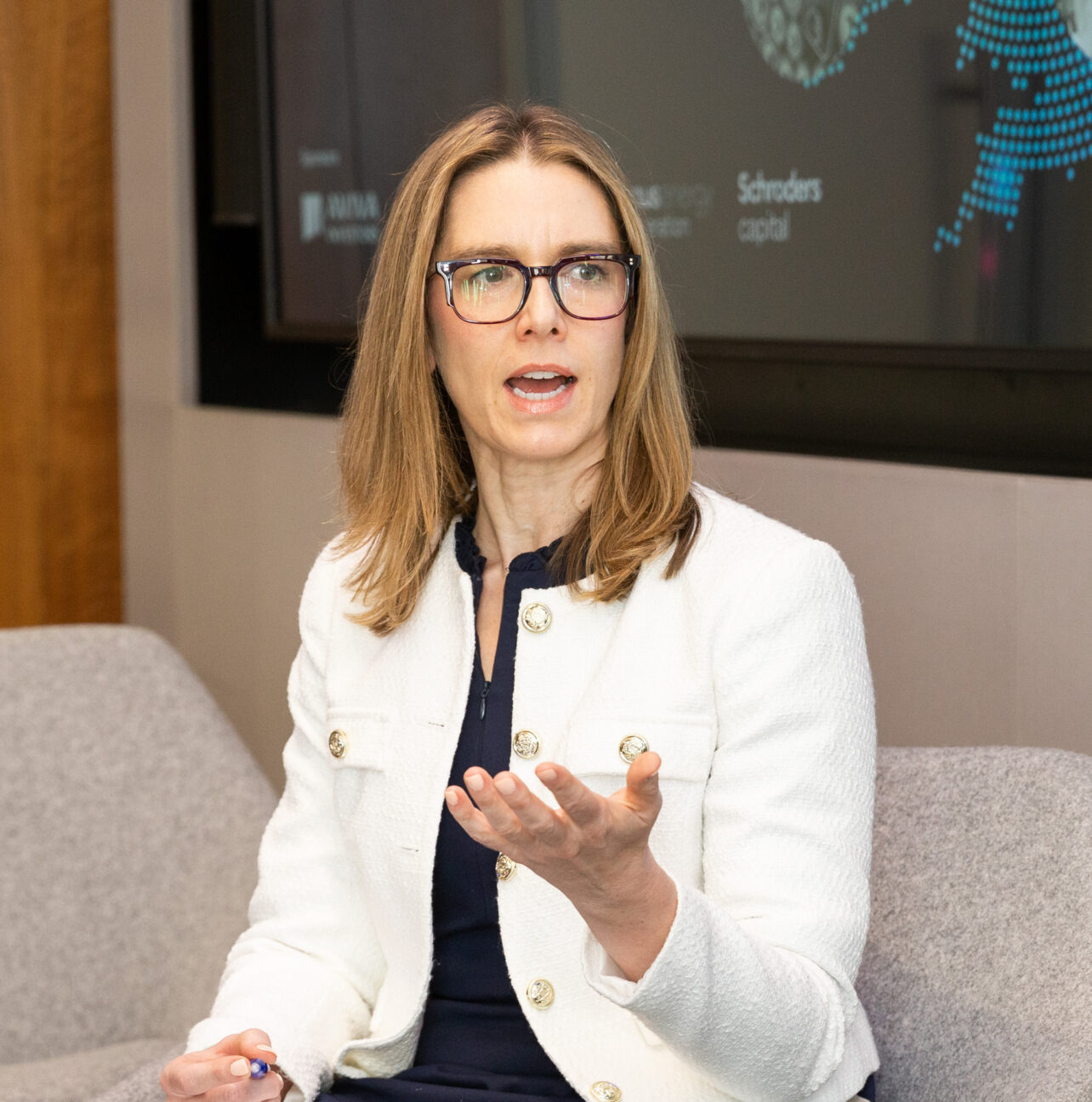
The direction of travel is clear – towards value-based and preventative healthcare – but there aren’t many managers offering those strategies yet
Tricia Ward, Redington
Ward added that cultural change across the investment industry will take time. “You don’t change culture overnight. Fiduciary duty has been the number one responsibility for pension funds. If we want to deliver benefits to communities, there has to be some flexibility in those responsibilities.”
On what clients want from healthcare investments, Ward said many are already have enough exposure to life sciences and are now looking elsewhere in the sector. “They want diversification into digital health, AI, med-tech and preventative care. The direction of travel is clear – towards value-based and preventative healthcare – but there aren’t many managers offering those strategies yet.”
Government involvement could help bridge the gap, she argued. “Managers and clients consistently ask: why should we take the risk when government isn’t providing support? If government were willing to provide first-loss capital or blended finance solutions, that would mobilise more institutional investment.”
Colliss echoed this point, highlighting the growing role of the Scottish National Investment Bank. “For years I never saw them, but now they’re everywhere – whether seeding funds in life sciences, housing or the energy transition. They’re becoming more proactive and visible, and that momentum is helpful.”
For both speakers, the question is no longer whether healthcare and life sciences merit institutional investment, but how to structure it in a way that aligns with fiduciary duty, governance constraints and investor education.